|
Getting your Trinity Audio player ready...
|
Felix Kwakye Ofosu: Ghana’s Fact-Checking Is English but Disinformation Speaks Local Language
Address Delivered by Deputy Presidential Spokesperson Shamima Muslim on Behalf of Minister of State for Government Communications Hon. Felix Kwakye Ofosu at the Launch of the Language as a Vector Research Report and KasaGadi Multilingual Fact-Checking Marketplace, Ghana-India Kofi Annan Centre of Excellence in ICT, Accra, 15 October 2026
Minister of State for Government Communications Hon. Felix Kwakye Ofosu has declared that Ghana’s fact-checking architecture is in English while disinformation spreads largely in local languages.
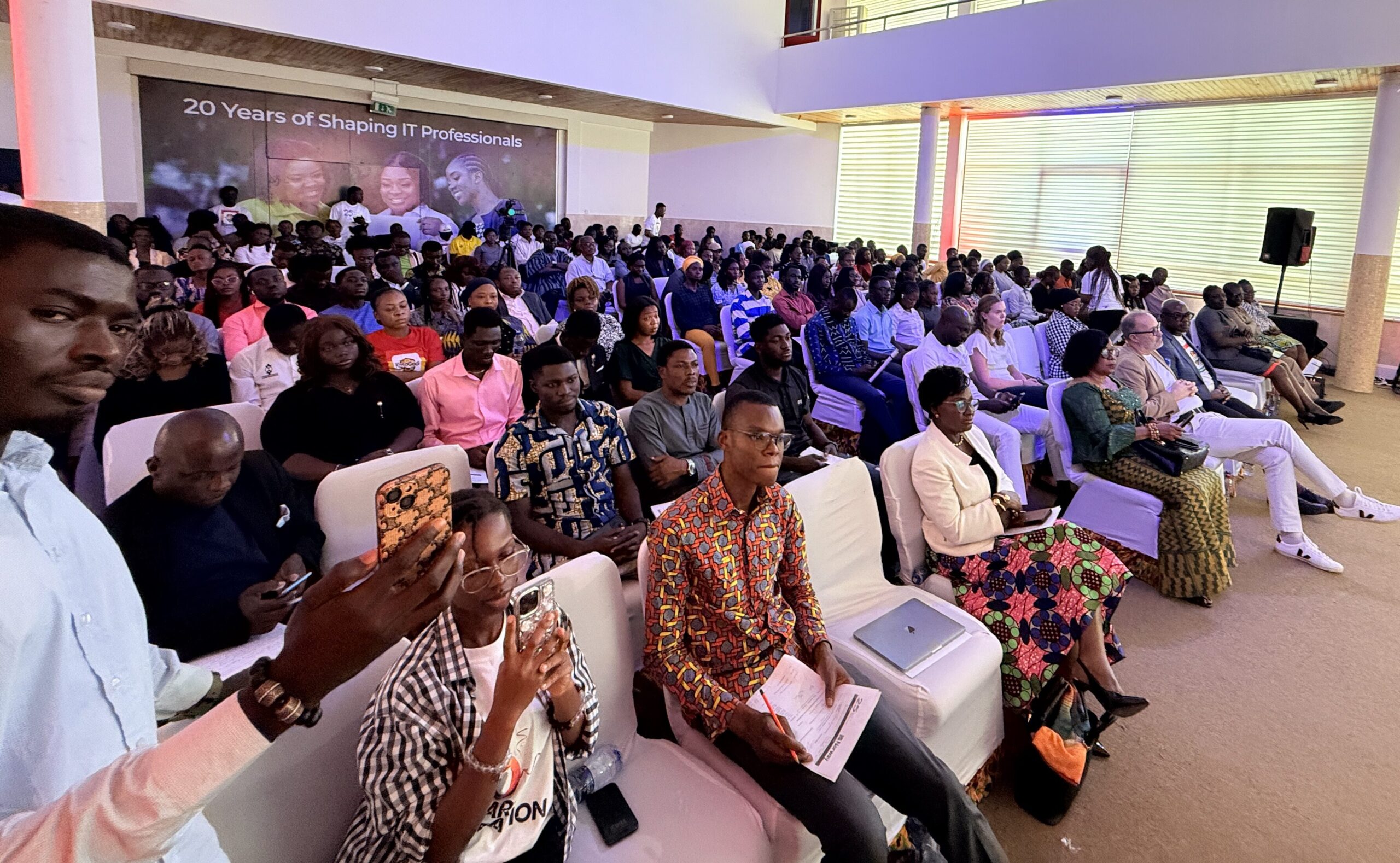
Deputy Presidential Spokesperson Shamima Muslim delivered his address at the launch of the Language as a Vector Research Report and KasaGadi Multilingual AI Fact-Checking Marketplace on Thursday, October 15, 2026, at the Ghana-India Kofi Annan Centre of Excellence in ICT in Accra. The event was organised by Penplusbytes under the Ghana Anti-Disinformation Coalition Project with support from the Government of Norway.
Furthermore, the report drew on a nationwide survey of 469 Ghanaians conducted by 41 trained field assistants.
Three Paradoxes Ghana Must Confront on Disinformation
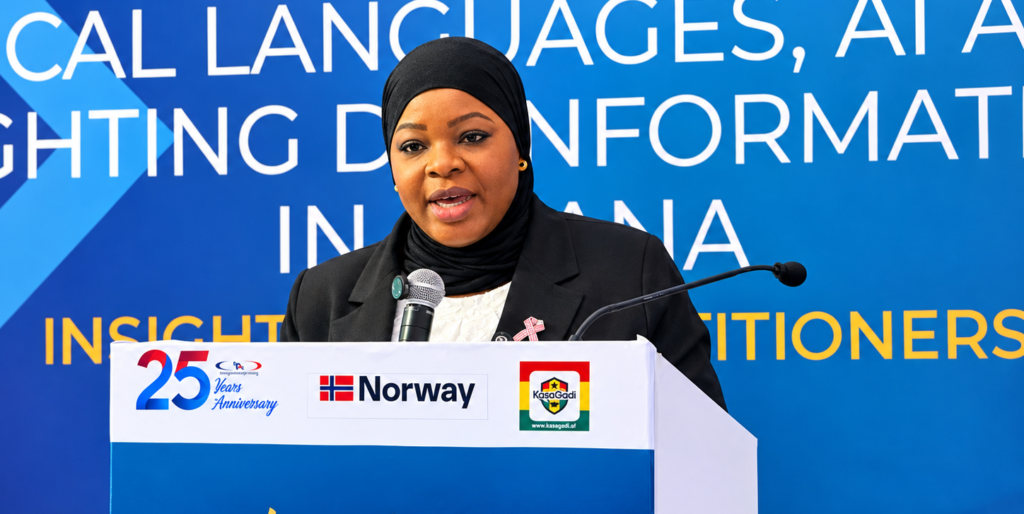
Shamima Muslim delivered Hon. Kwakye Ofosu’s analysis of three key paradoxes in Ghana’s disinformation landscape. First, 85.3 percent of those who spread misinformation did so because they believed the information was helpful to their community — not because they were malicious actors.
Second, while 70 percent of Ghanaians believe AI can help fight disinformation, only 22.2 percent have ever used an AI-based detection tool. Moreover, only 32.2 percent are even aware such tools exist.
Third, the primary barrier to fact-checking is not distrust of fact-checkers but the absence of verification tools in local languages. Therefore, the report concludes that Ghanaians are not resistant to verification — they simply cannot access it in a language they understand.
Government Must Fight Disinformation in Mother Tongue
Hon. Kwakye Ofosu said the report challenges government to rethink its approach to information integrity. He said the central finding of the report is that the most consequential vulnerability in Ghana’s disinformation landscape is the structural mismatch between the languages people use to communicate and the languages in which fact-checking tools operate.
Furthermore, he quoted the report: disinformation does not wear a suit and speak English — it wears smock and speaks mother tongue. As a result, he committed to tabling the report at the next government strategy meeting and proposing that state-supported counter-disinformation tools progressively operate in Ghana’s twelve approved local languages.
KasaGadi AI Marketplace and Government Commitments
Hon. Kwakye Ofosu welcomed the launch of KasaGadi.ai, a multilingual AI fact-checking marketplace that allows a farmer in Hohoe to send a voice note and receive a verified answer in Ewe and a journalist in Tamale to check a claim in Dagbani.
He committed to engaging Penplusbytes as a learning partner to pilot KasaGadi in government’s daily communications monitoring. In addition, he said he will engage the Information Services Department, GBC, and community radio networks to explore a weekly vernacular fact-checking segment to be called Hwɛ Nokorɛ Mu or Tɔ Nyati.
He also committed to exploring AI literacy modules in NCCE programmes delivered in local languages across Ghana.