Iran and the United States have reached a landmark agreement aimed at ending the Middle East conflict, in what is being described as a major diplomatic breakthrough following months of intense negotiations. The deal was announced on Sunday by U.S. President Donald Trump and Pakistani Prime Minister Shehbaz Sharif.
Trump Makes the Announcement on Truth Social
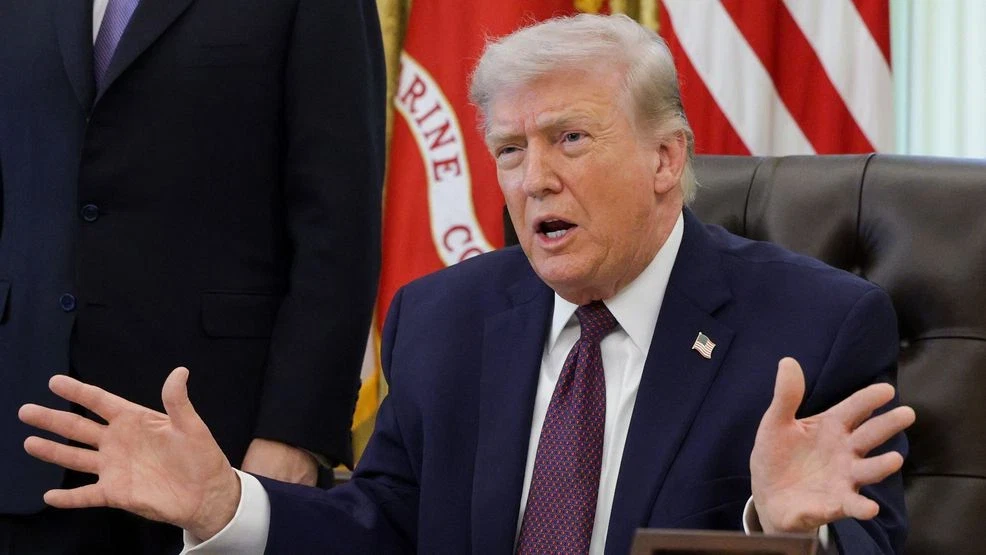
President Trump broke the news on his Truth Social platform, declaring the deal complete and authorising the immediate reopening of the Strait of Hormuz and the removal of the U.S. naval blockade on Iranian ports.
Trump wrote that ships around the world should begin moving and that oil should flow freely — a statement that signals a potential major shift in global energy markets following weeks of disruption caused by the conflict.
Iran, which controls the strait, did not immediately confirm whether it had agreed to a deal, with Iranian officials having denied right up to the last moment that a memorandum of understanding would be signed on Sunday.
Pakistan’s Prime Minister Confirms the Agreement
Pakistani Prime Minister Shehbaz Sharif, who has played a key mediating role throughout the negotiations, announced on social media that both sides had declared the immediate and permanent termination of military operations on all fronts, including in Lebanon.
Sharif confirmed that an official signing ceremony is scheduled for June 19, 2026, in Switzerland, with a series of pre-implementation meetings to take place this week to lay the groundwork for technical talks ahead of the formal signing.
What the Deal Actually Says
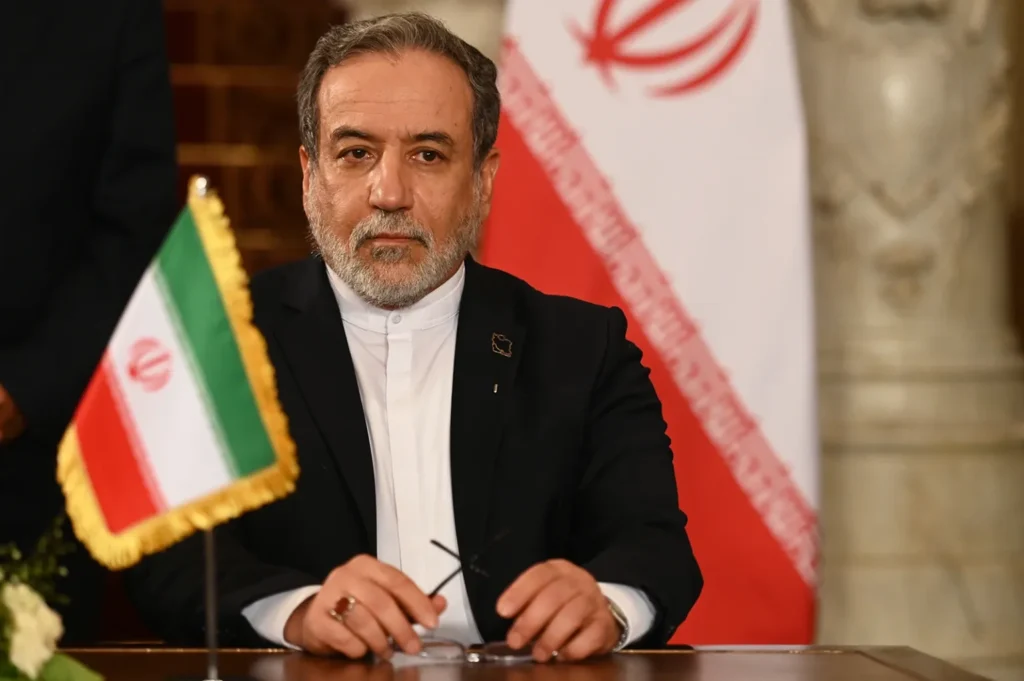
It is important to note that this agreement is not a final peace treaty. Rather, it is a memorandum of understanding that outlines commitments by both sides and establishes a framework for a 60-day negotiating period, during which U.S. and Iranian officials will work toward a more comprehensive and binding agreement.
According to a senior U.S. administration official, the framework includes commitments related to reopening the Strait of Hormuz, lifting the U.S. blockade on Iranian ports, and the dismantling of Iran’s nuclear programme. The deal also calls for highly enriched nuclear material to be destroyed on-site by the United States and includes a guarantee of long-term peace in the region — an element that encompasses Israel and Iran’s regional proxy groups.
However, a senior Iranian official told Reuters that Iran had been granted the right to dilute its stockpile of highly enriched uranium on Iranian soil under the terms of a final deal — a position that appears to differ from the U.S. account.
Lebanon Fighting Threatened to Derail the Deal
The announcement came as renewed hostilities between Israel and Hezbollah in Lebanon on Sunday threatened to undermine the agreement entirely. The deal’s inclusion of a commitment to peace involving Iran’s regional proxies is seen as a critical and sensitive element of the emerging framework.
A Long Road to the Agreement
Expectations for a deal had been building in recent days, with U.S. and Pakistani officials indicating that significant progress was being made behind the scenes. President Trump had predicted over the weekend that a deal would be signed on Sunday, having first flagged the development on Truth Social on Saturday.
Despite this, Iranian officials cast doubt on the timeline until the final moment. Iran’s Foreign Ministry spokesperson Esmaeil Baqaei was quoted by Reuters as saying on Saturday that the memorandum of understanding would not be signed the following day — which also happened to be President Trump’s 80th birthday
What Happens Next
Mediators, led by Pakistan, will facilitate a series of meetings this week as both sides prepare for the technical discussions ahead of the June 19 signing ceremony in Switzerland. The outcome of those talks will determine whether the 60-day framework can be converted into a lasting and comprehensive peace agreement.
This is a developing story. Check back for updates.