|
Getting your Trinity Audio player ready...
|
By 2030, Raw Ores Will No Longer Leave Ghana – Mahama
President John Dramani Mahama says Ghana will phase out exports of unprocessed mineral ores by 2030. The government wants to promote local processing and keep more economic value from the country’s mineral resources. The plan means Ghana raw mineral ore exports will stop in phases over the next four years.
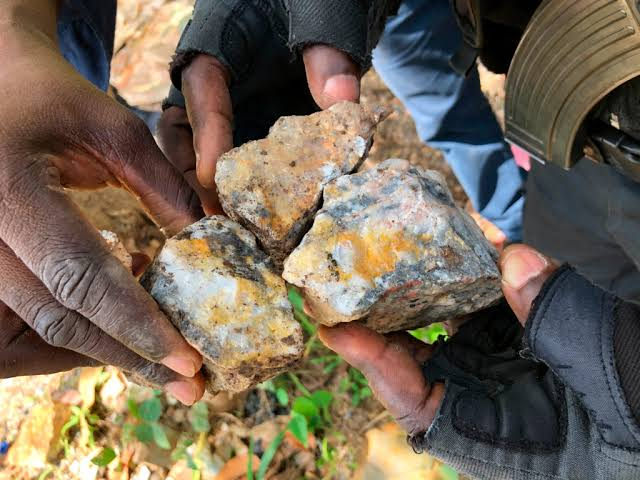
What the President Announced
Mahama spoke at the Mining in Monday Conference on Monday, 19 October 2026. He said the government will introduce a phased ban on raw mineral exports. The ban will cover bauxite, manganese, iron and lithium. It aims to support domestic industrialisation.
He said the government will back the plan with legal measures, mineral-specific requirements and clear timelines.
“I’ve set a clear goal that by 2030, raw mineral ores should no longer leave our shores. Our bauxite, manganese, iron, lithium, and other minerals must support processing and industrial development here at home,” he said.
Moving Beyond Extraction and Export
The President stressed that Ghana must do more than extract and export raw minerals. Instead, the country must process them locally and use them to drive industrial growth.
He said Ghana needs greater economic benefits from its minerals. Therefore, it must build local capacity for processing and other value-added work. Otherwise, other countries will keep the benefits of that value addition.
“We will pursue a phased prohibition on exports of unprocessed ores, supported by the necessary legal measures, mineral-specific requirements, and transparent implementation timetables,” he said.
Processing Obligations for Investors
The President added that investors who want access to Ghana’s minerals must meet clearly defined processing obligations. He said the government has already taken a step in that direction by restricting some exports.
“We have already imposed a ban on the export of iron scrap and non-ferrous metals. Investors must understand the processing obligations associated with access to our resources,” he said.
Plans for the Gold Value Chain
Mahama said the government is also pursuing the plan through the Ghana Gold Board (GoldBod) and its gold refining policy. The aim is to give Ghanaians a bigger role in the gold value chain. Currently, the sector depends largely on extracting and exporting raw minerals.
“Through the Ghana Gold Board and our gold refining policy, we are working to retain more value through assaying, refining, and related services,” he said.
The policy should strengthen Ghana’s ability to test and refine gold locally. As a result, it should create opportunities for businesses and professionals in mining and mineral processing.
A Phased, Not Immediate, Transition
The announcement signals a firm policy direction for the extractive sector. The government is putting its focus on local processing, industrial development and keeping more value from Ghana’s mineral wealth.
By setting 2030 as the target and promising legal measures, requirements and transparent timetables, the President indicated a structured transition. In other words, the change will happen in phases and not overnight.